Coffee
Moka Pot Guide: The Italian Secret To Strong Espresso (Under $30)
Author:Tooba
|
Released:October 5, 2025
You don’t need a $700 espresso machine to make bold, concentrated coffee at home. The moka pot, invented in 1933 by Alfonso Bialetti, still delivers some of the strongest coffee you can brew under $30. It’s compact, easy to use, and creates rich stovetop espresso without high-end equipment.
If you’re looking for better coffee at home, more control over flavor, or a low-cost entry to espresso-style brewing, this guide will help you get started.
What Is A Moka Pot And Why Does It Work?
A moka pot brews coffee using steam pressure. It has three chambers: water goes in the bottom, ground coffee in the middle, and finished brew collects at the top. As the water heats, pressure pushes it through the coffee and up into the top chamber. The result is a bold, concentrated cup — not quite as thick as espresso, but much stronger than drip.
Unlike pod machines or electric espresso makers, moka pots don’t need electricity, just a heat source. That makes them perfect for home use, travel, or even camping.
Best part? The classic 3-cup Bialetti moka pot sells for around $25 and lasts for years.
Brewing With A Moka Pot: Step-By-Step
- Grind your beans medium-fine, slightly coarser than espresso but finer than drip.
- Fill the bottom chamber with water, stopping just below the safety valve.
- Insert the filter basket and fill it with ground coffee, level but not packed down.
- Assemble the pot and place it on medium heat.
- Listen carefully. When it starts hissing and bubbling, remove it from the heat.
- Let the rest finish brewing off-heat, then pour.
Tip: Preheat your water in a kettle to shorten brew time and avoid metallic flavors.
Best Moka Pot Coffee Beans (Flavor And Body)
Because moka pots brew strong and fast, beans with medium to dark roasts work best. Lighter roasts often taste sharp or sour under pressure. Look for blends labeled “espresso” or “Italian roast.”
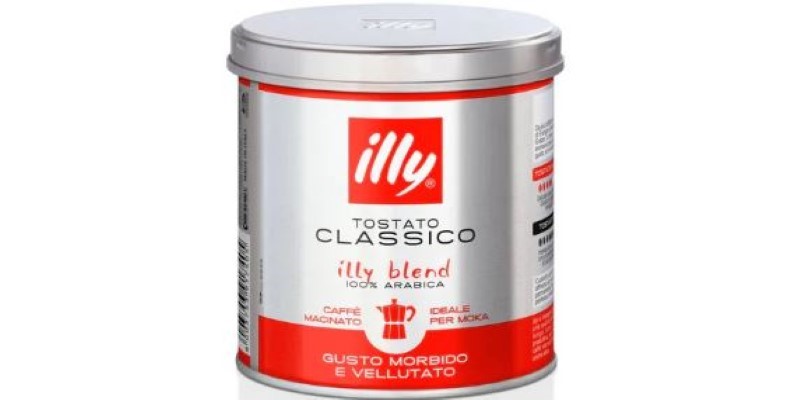
Illy Classico Espresso Ground Coffee ($13 for 8.8 oz): Smooth, low acidity, with a strong chocolate finish. Pre-ground specifically for Moka pots.
Lavazza Qualità Rossa ($10 for 8.8 oz): Full-bodied with cocoa and dried fruit notes. Affordable and widely available.
Stumptown Hair Bender ($15–18 for 12 oz): For those grinding fresh, this roast brings complexity and sweetness with Moka's strength.
Recipes To Try Right Now
You don’t need to drink moka pot coffee straight. These easy recipes show how flexible and enjoyable it can be.
Iced Moka Coffee
Perfect for warm mornings or a strong afternoon kick.
Brew a 3-cup moka pot.
Fill a glass with ice and a splash of milk (optional).
Pour coffee over the ice.
Add ½ tsp brown sugar or a dash of vanilla if you like.
Flavor: Bold, chilled, slightly smoky.
Moka Café Bombón
Spanish-inspired sweet coffee for dessert or afternoon comfort.
Brew coffee as usual.
In a small glass, pour equal parts sweetened condensed milk (2 tbsp) and moka coffee (2 tbsp).
Don’t stir until serving. The layers look great.
Flavor: Rich, syrupy, with a caramel finish.
Moka Americano
A gentler version of stovetop espresso.
- Brew a 3-cup pot.
- Pour into a mug and add 2–3 oz hot water.
- Stir and sip.
Flavor: Milder, smoother, ideal for first-timers.
Differences Vs. Other Brewing Methods
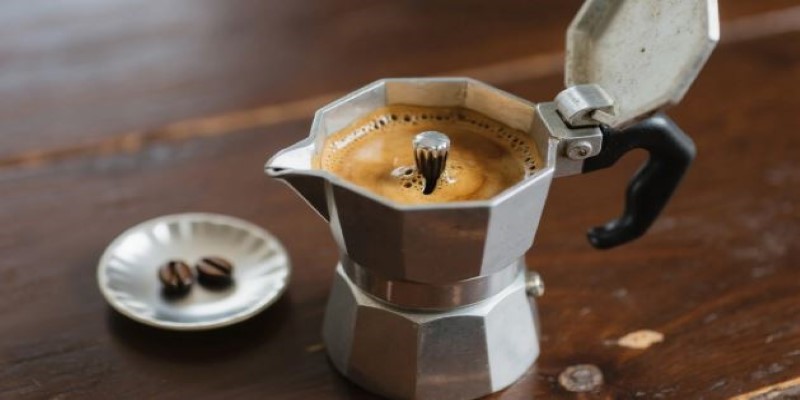
Moka pots sit between espresso and drip in terms of strength. Here's how they compare:
Espresso Machines: 9 bars of pressure. Moka pots use 1.5 bars max. Espresso has crema; moka doesn’t.
French Press: More body, less clarity. Moka is cleaner but more intense.
Pour Over: More control over flow and flavor. Moka is faster and bolder.
Pod Machines (e.g., Nespresso): More convenient, less flavorful. Moka wins on depth.
Use a moka pot when you want a fast, rich cup with low mess and minimal cost.
Cleaning And Maintenance
Always rinse your Moka pot after each use. Don't use soap — just warm water and a soft sponge. Let all parts dry fully to avoid corrosion.
Every few months, replace the rubber gasket ($3–$5) if it starts to leak or loosen. Most brands sell spare parts online.
Never put it in the dishwasher. That damages the aluminum and affects taste.
Which Moka Pot To Buy?
If you're starting out, go with one of these:
Bialetti Moka Express 3-Cup ($25): The original. Works reliably, lasts for years, iconic octagon design.
GROSCHE Milano 6-Cup ($35): Adds silicone grip and modern safety valve. Same brew function as Bialetti.
Cuisinox Roma Stainless Steel 4-Cup ($85): Sleek and induction-compatible. Higher-end look, same moka taste.
Avoid knockoffs under $15. They often have weak seals or cheap aluminum that warps.
Final Thoughts: Better Coffee Starts With Better Tools
If your coffee tastes flat or watery, the solution may not be fancier beans. It might be your gear. The moka pot proves that bold, café-style coffee is possible without expensive machines.
To get started, choose a quality Moka pot, get a reliable grinder, and try one of the recipes above. Want something smoother? Add hot water. Prefer it sweet? Stir in a bit of condensed milk.
From there, experiment. Try different beans. Tune your grind. Practice your timing. For less than $30, the moka pot gives you a flavorful, flexible way to upgrade your home coffee game — without a learning curve or bulky countertop gear.
You May Like
-

-
Coffee
Best Decaf Coffee Beans How to Choose Quality Beans for Better Flavor
-
Coffee
Co-Fermented Coffee Is No Longer a Niche: Here's What's Driving the Trend
-
Coffee
Sustainable Coffee Trends In 2026: From Farm To Cup
-
Guide
Stop Wasting Beans: The Barista Guide to Dialing in Espresso Fast
-
Coffee
Why Every Serious Barista Needs an Electric Burr Grinder